
Concrétiser les ambitions en matière d’économie circulaire exige plus que de la visibilité : cela dépend de la manière dont les institutions, les entrepreneurs et les partenaires se mobilisent autour d’actions concrètes.
En Éthiopie, l’intérêt croissant pour l’économie circulaire a créé une dynamique parmi les acteurs des politiques publiques, des entreprises et du développement. Toutefois, comme dans de nombreux contextes, le défi consiste à passer de la sensibilisation à une mise en œuvre coordonnée.
Créer une plateforme de concertation et d’échanges pratiques
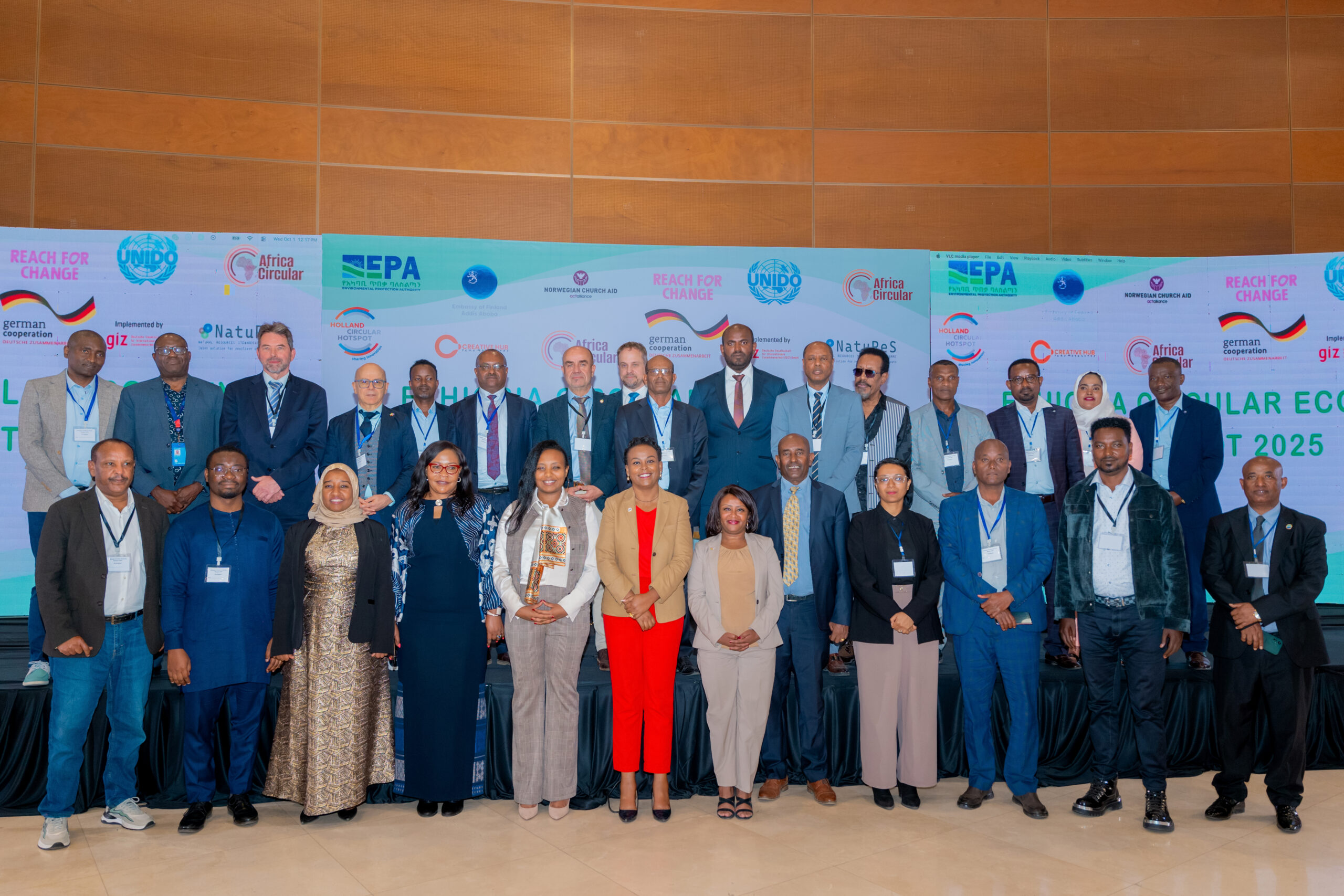
En appuyant le Hotspot, Africa Circular a travaillé aux côtés de l’Autorité éthiopienne de protection de l’environnement (EPA) et de ses partenaires pour réunir des parties prenantes issues des pouvoirs publics, du secteur privé et des institutions de développement.
Ce processus a clairement montré que ces plateformes ne servent pas uniquement à réunir des acteurs : elles jouent un rôle essentiel pour :
- clarifier les rôles institutionnels,
- renforcer la coordination, et
- faciliter une collaboration concrète entre les secteurs.
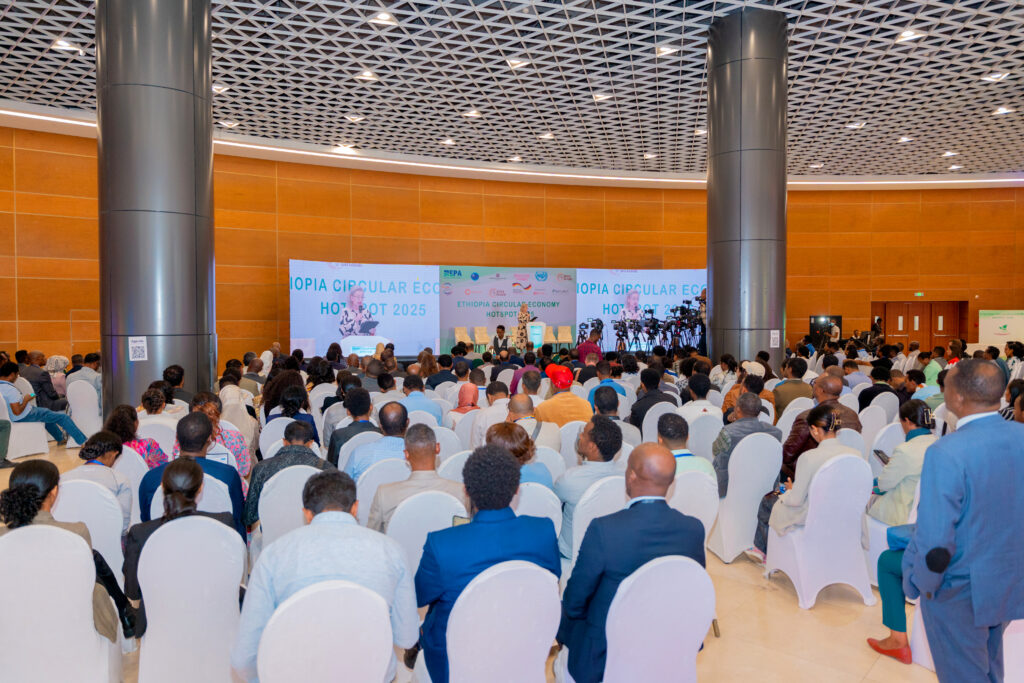
Plus de 260 participants, dont de hauts responsables publics, des partenaires du développement et des entrepreneurs, ont contribué aux échanges sur la manière d’intégrer les approches d’économie circulaire dans les secteurs clés de l’économie éthiopienne.
De l’innovation au marché : soutenir les entreprises circulaires
L’un des principaux enseignements du Hotspot est que les transitions circulaires dépendent autant du développement des entreprises que des cadres de politique publique.
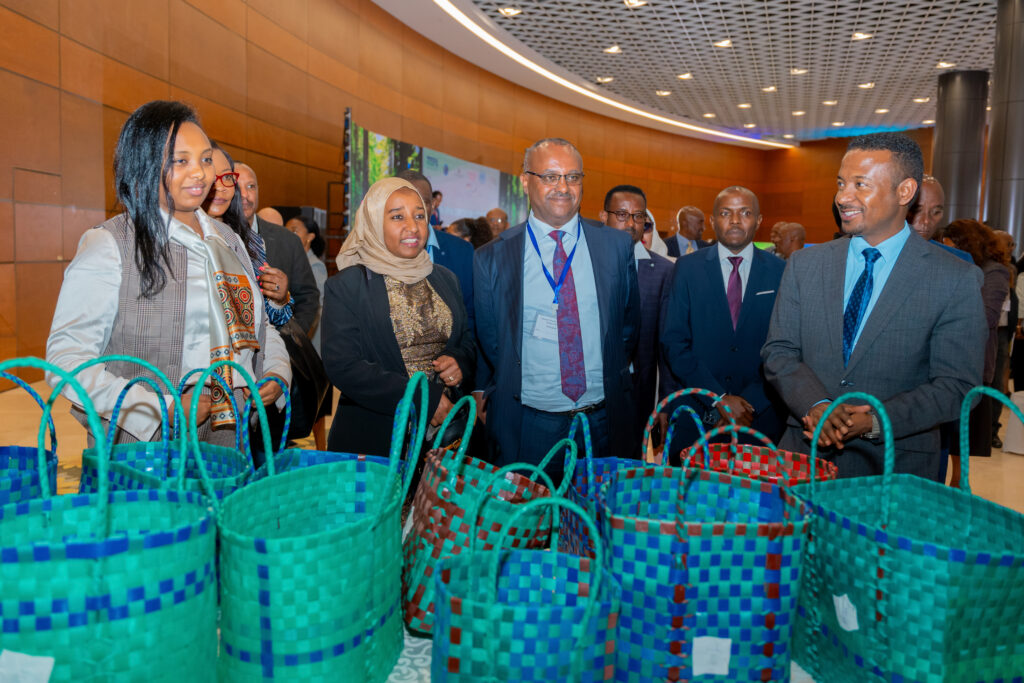
Le hackathon sur l’économie circulaire et la présentation des PME ont mis en lumière le nombre croissant d’initiatives d’innovation circulaire en Éthiopie. Les entreprises sélectionnées ont bénéficié de financements d’amorçage et de visibilité, tandis que d’autres ont eu accès à des réseaux et à des débouchés commerciaux.
Cela a confirmé un enseignement plus général : soutenir l’entrepreneuriat circulaire est essentiel pour traduire les ambitions des politiques publiques en réalité économique.
Renforcer les écosystèmes grâce aux partenariats
Le Hotspot a également démontré l’importance d’un soutien coordonné des partenaires du développement.
L’intérêt d’institutions telles que l’ambassade de Finlande, SITRA, l’Organisation internationale du Travail (OIT) et le Programme des Nations Unies pour le développement (PNUD) témoigne d’une reconnaissance croissante du besoin d’un soutien à long terme aux écosystèmes pour réussir les transitions vers l’économie circulaire, en associant politiques publiques, financement et assistance technique.
Le rôle d’Africa Circular dans ce processus a consisté à soutenir la coordination entre les institutions nationales et les partenaires internationaux, en contribuant à harmoniser les priorités et à structurer la collaboration.
Les enseignements pour les transitions vers l’économie circulaire
L’expérience de l’Éthiopie met en évidence une tendance plus générale :
Les transitions vers l’économie circulaire s’accélèrent lorsque la sensibilisation, le développement des entreprises et la coordination institutionnelle évoluent ensemble.
Les événements comme le Circular Economy Hotspot ne constituent donc pas un aboutissement, mais des mécanismes facilitateurs qui créent les conditions d’une mise en œuvre durable.
| À mesure que les pays africains continuent d’explorer les voies de l’économie circulaire, l’accent se déplacera de plus en plus de l’élaboration de stratégies vers des actions concrètes et coordonnées. |



 Français
  English (South Africa)