
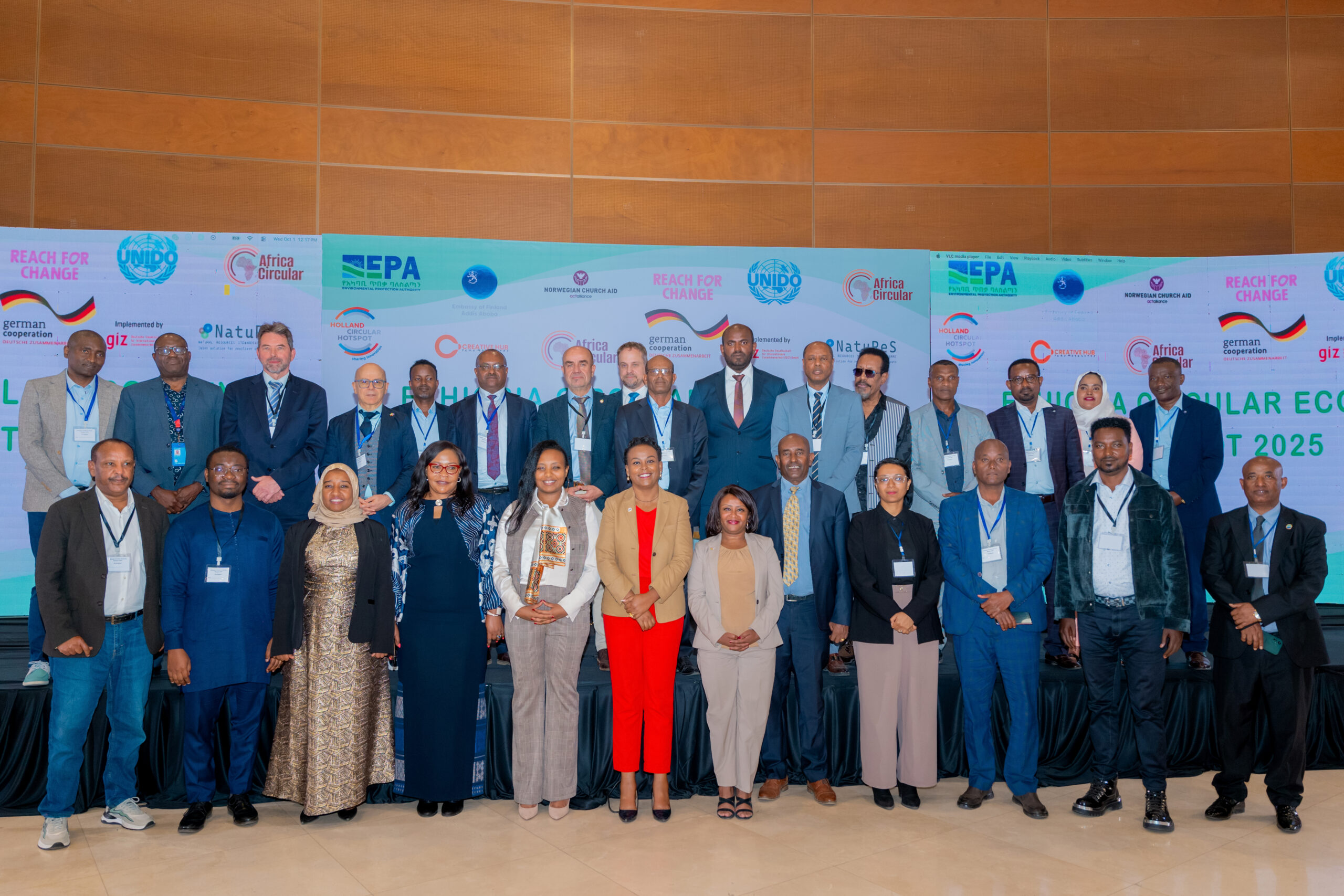
Translating circular economy ambition into implementation requires more than visibility — it depends on how institutions, entrepreneurs, and partners align around practical action.
In Ethiopia, growing interest in the circular economy has created momentum across policy, business, and development actors. However, as in many contexts, the challenge lies in moving from awareness to coordinated implementation.
Creating a platform for alignment and practical exchange
Through its support to the Hotspot, Africa Circular worked alongside the Ethiopian Environmental Protection Authority (EPA) and partners to convene stakeholders across government, private sector, and development institutions.
What became clear through this process is that platforms of this kind are not only about convening — they play a critical role in:
- clarifying institutional roles,
- strengthening coordination, and
- enabling practical collaboration across sectors.
More than 260 participants, including senior government officials, development partners, and entrepreneurs, contributed to discussions on how circular economy approaches can be embedded across key sectors of the Ethiopian economy.
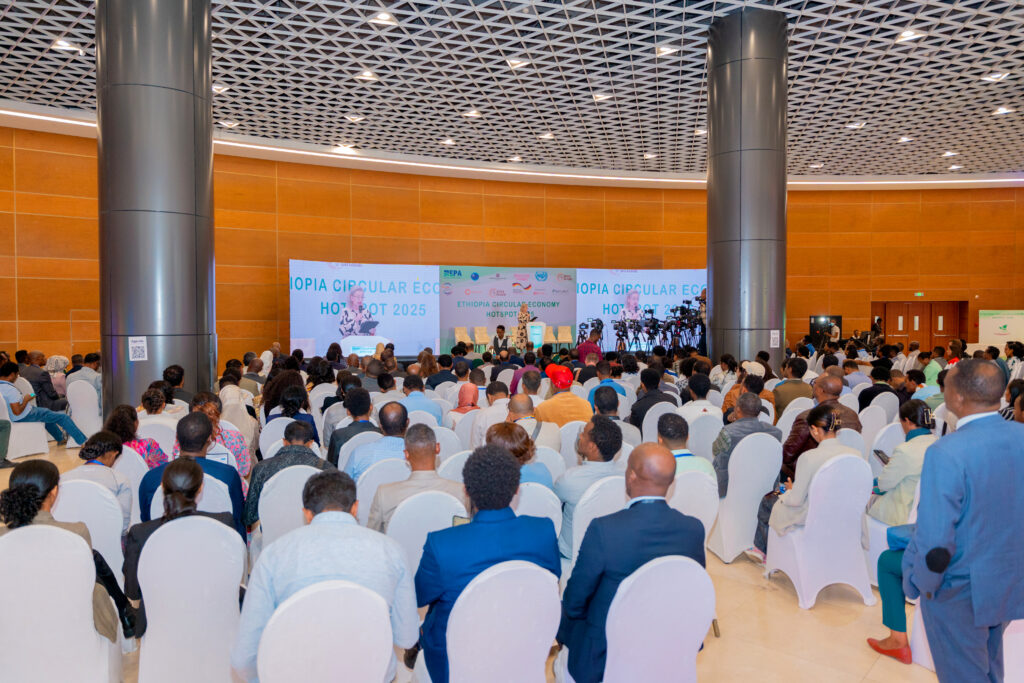
From innovation to market: supporting circular enterprises
One of the key insights from the Hotspot is that circular transitions depend as much on enterprise development as on policy frameworks.
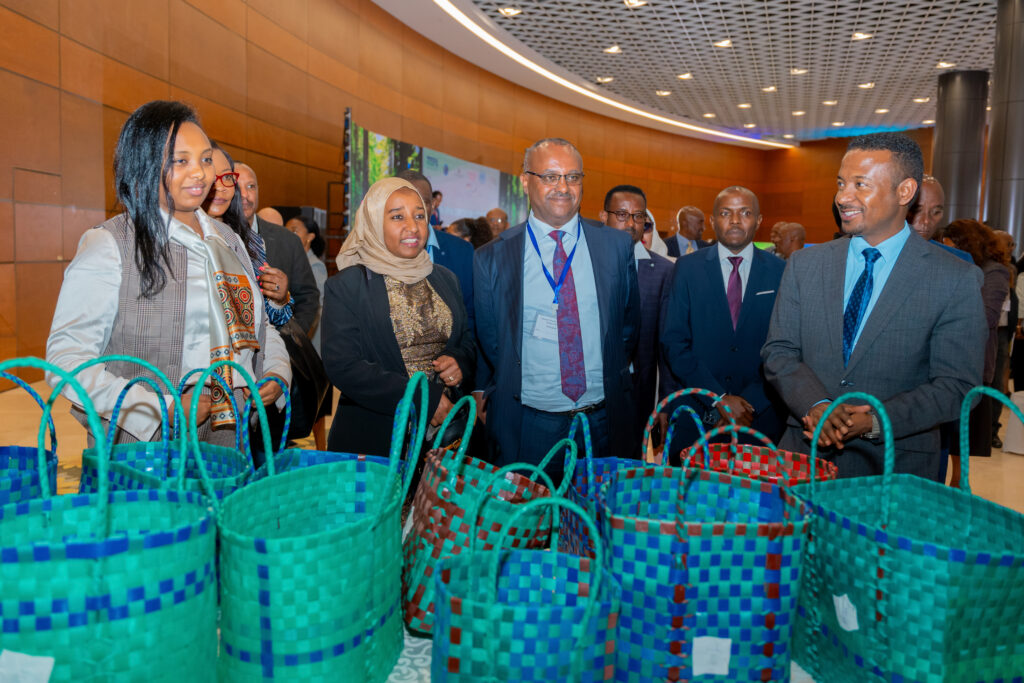
The Circular Economy Hackathon and SME showcase highlighted the growing pipeline of circular innovation in Ethiopia. Selected enterprises received seed funding and visibility, while others gained access to networks and market opportunities.
This reinforced a broader lesson: supporting circular entrepreneurship is essential to translating policy ambition into economic reality.
Strengthening ecosystems through partnerships
The Hotspot also demonstrated the importance of coordinated support from development partners.
Interest from institutions such as the Finnish Embassy, SITRA, ILO, and UNDP signals a growing recognition that circular economy transitions require long-term ecosystem support — combining policy, finance, and technical assistance.
Africa Circular’s role in this process was to support coordination between national institutions and international partners, helping to align priorities and structure collaboration.
What this means for circular economy transitions
Experience from Ethiopia highlights a broader pattern:
Circular economy transitions accelerate when awareness, enterprise development, and institutional coordination evolve together.
Events like the Circular Economy Hotspot are therefore not endpoints, but enabling mechanisms — creating the conditions for sustained implementation.
| As countries across Africa continue to explore circular pathways, the focus will increasingly shift from strategy development to practical, coordinated action. |



 English (South Africa)
  Français